
 UAE
UAE
 Qatar
Qatar
 Pakistan
 KSA
KSA
 Oman
Oman
 Kuwait
 Bahrain
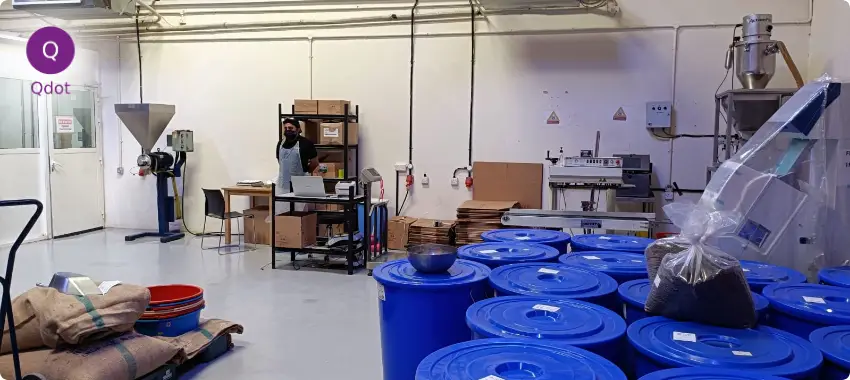
Halal consultancy in Qatar helps food, hospitality, catering, manufacturing, import, distribution, storage, cosmetics, and related businesses prepare their products, processes, documents, and staff for halal compliance. Qdot supports organizations in Qatar with practical guidance for halal system development, documentation, ingredient review, supplier control, segregation, training, internal checks, and certification readiness.
Qdot helps your organization prepare for halal certification, but the final halal certificate is issued by an independent halal certification body after successful assessment and audit completion.
Halal Consultancy Support for Qatar Businesses
Qdot is a QGOS-approved ISO management system consultancy provider in Qatar. For halal and food compliance projects, we apply a structured consultancy approach that helps businesses build practical controls around raw materials, production, handling, storage, labeling, hygiene, supplier approval, traceability, and halal assurance requirements.
Our consultancy work is not limited to document preparation. We review the real process, product ingredients, supplier records, storage conditions, handling practices, staff awareness, and the risk of cross-contamination with non-halal or doubtful materials. The purpose is to help your business become ready for customer requirements, tenders, export needs, and certification body review.
What Halal Consultancy Means
Halal consultancy means professional support to prepare an organization for halal compliance and halal certification readiness. It includes reviewing materials, products, processes, storage, equipment, cleaning practices, packaging, labeling, supplier controls, and documentation to confirm that the business is ready for an independent halal audit.
Halal consultancy is different from halal certification. Consultancy prepares the business and helps close gaps. Certification is the independent audit and certificate issuance process completed by a halal certification body. Qdot supports the preparation, implementation, and audit readiness stage for businesses in Qatar.
When Your Business Needs a Halal Consultant in Qatar
A halal consultant is useful when a business needs to control ingredients, suppliers, production flow, storage, labeling, or certification readiness. Qdot helps identify practical gaps and convert halal requirements into a clear working system for your team.
- New halal implementation: For businesses planning to implement halal controls for the first time before applying for halal certification or customer approval.
- Ingredient and material uncertainty: For companies that need to review raw materials, additives, processing aids, packaging materials, or supplier declarations.
- Segregation and cross-contamination risk: For businesses handling multiple product categories where non-halal, doubtful, allergen, or high-risk materials may affect compliance.
- Export or market requirement: For organizations that need halal readiness for customers, retailers, tenders, importers, government projects, or regional market access.
- Audit preparation: For companies preparing for halal certification audit, customer audit, supplier approval audit, or surveillance review.
Our Halal Consultancy Services in Qatar
Qdot provides end-to-end halal consultancy support according to the business activity, product category, number of sites, process complexity, current documentation status, and target certification requirement.
- Halal gap analysis:
Assessment of current materials, processes, storage, documentation, records, staff awareness, supplier control, and audit readiness. - Product and ingredient review:
Review of raw materials, additives, processing aids, ingredients, packaging materials, supplier declarations, and supporting halal evidence. - Process flow review:
Review of receiving, storage, preparation, processing, packing, labeling, dispatch, service, and delivery flow where applicable. - Halal assurance system development:
Development of practical controls for material approval, production handling, segregation, traceability, cleaning, and nonconforming product control. - Supplier and purchasing control:
Support in defining supplier approval criteria, supplier documents, halal declarations, purchase checks, and receiving inspection controls. - Documentation development:
Preparation of halal policy, procedures, forms, registers, checklists, approval records, training records, and internal review formats. - Labeling and claim support:
Review of halal-related product information, basic label requirements, product descriptions, ingredient listing, and claim control where applicable. - Training and awareness:
Practical awareness for halal team members, food handlers, production staff, warehouse staff, purchasing teams, QA teams, supervisors, and management. - Internal review support:
Assistance with halal internal checks, record review, corrective action closure, traceability exercises, and preparation for certification body audit. - Certification readiness:
Final document review, site readiness check, mock audit, corrective action follow-up, and coordination support before independent halal certification audit.
Qdot Halal Consultancy Process
| Stage | Consultancy Activity | Key Output |
|---|---|---|
| Stage 1 | Project kickoff and scope confirmation | Confirmed scope, product categories, sites, activity schedule, responsibilities, and implementation plan |
| Stage 2 | Halal gap analysis | Gap analysis report covering materials, suppliers, process controls, documentation, records, and audit readiness |
| Stage 3 | Ingredient and supplier review | Approved material list, supplier document status, halal evidence review, and improvement action plan |
| Stage 4 | Process and contamination control review | Process flow, segregation controls, cleaning approach, storage controls, and cross-contamination risk actions |
| Stage 5 | Documentation development | Halal policy, procedures, forms, registers, checklists, records, and internal review formats |
| Stage 6 | Training and implementation support | Training records, staff awareness, implementation evidence, and department-level guidance |
| Stage 7 | Internal review and corrective actions | Internal review report, nonconformity records, corrective action plan, and closure evidence |
| Stage 8 | Certification readiness support | Mock audit, final readiness report, document check, site readiness check, and certification body coordination support |
Halal Documents and Records Developed During Consultancy
The exact documentation depends on the nature of the business, product type, applicable halal scheme, and certification body requirements. Qdot commonly supports the development or improvement of the following documents and records:
- Halal policy and scope: A clear statement of commitment, halal scope, product categories, service coverage, and site boundaries.
- Halal team responsibilities: Defined roles for management, QA, purchasing, production, storage, food handlers, and halal responsible persons.
- Approved raw material list: A controlled list of ingredients, additives, processing aids, packaging materials, and supplier status.
- Supplier approval records: Supplier evaluation forms, halal certificates, declarations, material specifications, and purchase controls.
- Process flow and segregation controls: Process mapping and controls for receiving, storage, production, packing, labeling, dispatch, and service.
- Cleaning and hygiene records: Records supporting sanitation, equipment cleaning, storage hygiene, and prevention of contamination.
- Traceability and recall records: Controls for product identification, batch traceability, complaint handling, withdrawal, recall testing, and emergency response.
- Nonconforming product records: Formats for identifying, isolating, investigating, correcting, and preventing non-halal or doubtful product issues.
- Training and awareness records: Evidence that relevant staff understand halal requirements, handling controls, hygiene, segregation, and escalation steps.
- Internal review and CAPA records: Checklists, findings, root cause analysis, corrective actions, verification evidence, and management review records.
Industries We Support in Qatar
Qdot supports halal consultancy projects across Doha, Lusail, Al Wakra, Al Rayyan, Al Khor, Ras Laffan, Mesaieed, Dukhan, Umm Salal, West Bay, The Pearl, Industrial Area, and other commercial and industrial areas in Qatar.
- Food manufacturers and processors: Support for ingredient review, production controls, halal assurance, traceability, packaging, and audit readiness.
- Restaurants, hotels, and catering businesses: Support for halal handling, kitchen controls, supplier approval, storage, cleaning, staff awareness, and customer requirements.
- Meat, poultry, and seafood businesses: Support for supplier evidence, receiving controls, segregation, cold chain controls, traceability, and documentation.
- Bakeries and confectionery businesses: Support for additives, flavors, emulsifiers, ingredients, packaging, labeling, and supplier declarations.
- Importers and distributors: Support for supplier document control, product verification, halal evidence review, storage controls, and customer approval.
- Warehouses and logistics providers: Support for segregation, storage hygiene, transport handling, traceability, and product integrity controls.
- Cosmetics and personal care businesses: Support for ingredient review, supplier declarations, manufacturing controls, labeling, and halal claim readiness where applicable.
Common Halal Compliance Gaps
Many businesses face halal audit findings because the system is not fully controlled or evidence is incomplete. Qdot helps your team identify and close these gaps before the certification audit.
- Incomplete supplier evidence: Halal certificates, declarations, material specifications, or supplier approvals are missing, expired, or not linked to the correct product.
- Uncontrolled ingredients: Raw materials, additives, flavorings, enzymes, processing aids, or packaging materials are used without proper halal verification.
- Weak segregation: Halal and non-halal or doubtful materials are not clearly separated during receiving, storage, production, or dispatch.
- Poor traceability: Product batches, supplier lots, receiving records, production records, and dispatch records are not connected properly.
- Labeling gaps: Halal claims are used without clear control over product information, ingredient status, and approval records.
- Limited staff awareness: Employees do not understand halal handling requirements, escalation steps, or contamination prevention controls.
- Missing internal review: The business does not periodically review halal records, supplier status, corrective actions, or system effectiveness.
Why Choose Qdot for Halal Consultancy in Qatar
Qdot provides practical consultancy support for businesses that want to prepare for halal certification and maintain compliance with confidence. Our approach is structured, implementation-focused, and suitable for Qatar businesses that need clear guidance and usable documentation.
- Clear consultancy role: We support implementation, documentation, training, and readiness. The final certificate is issued by an independent halal certification body.
- Practical system development: We focus on real controls for ingredients, suppliers, process flow, segregation, hygiene, traceability, labeling, and corrective actions.
- Qatar-focused support: Our content and implementation approach consider food, hospitality, manufacturing, import, distribution, and retail activities in Qatar.
- Useful documentation: We prepare documents and records that your team can understand, implement, and maintain after certification.
- End-to-end assistance: From gap analysis to mock audit, Qdot supports your team throughout the halal implementation and readiness journey.
Contact Qdot for Halal Consultancy in Qatar
If your business needs halal consultancy in Qatar, Qdot can help you review your current system, prepare documentation, train staff, close gaps, and become ready for independent halal certification audit.
FAQs
Halal consultancy is professional support to help a business prepare its products, processes, documents, staff, and controls for halal compliance and certification readiness.
No. Halal consultancy helps prepare the business, while halal certification is the independent audit and certificate issuance process completed by a halal certification body.
No. Qdot provides consultancy and certification readiness support. The halal certificate is issued by an independent halal certification body after successful assessment and audit completion.
Food manufacturers, restaurants, hotels, catering companies, importers, distributors, warehouses, meat and poultry businesses, bakeries, cosmetics companies, and other businesses using halal claims may need consultancy.
Common documents include halal policy, scope, approved material list, supplier approvals, process flow, segregation controls, cleaning records, traceability records, training records, and internal review records.
Yes. Qdot can support review of ingredients, additives, processing aids, packaging materials, supplier declarations, halal certificates, and supporting evidence.
Yes. Halal consultancy can help businesses prepare for customer, retailer, importer, tender, or market access requirements where halal evidence is requested.
The timeline depends on the product category, number of sites, supplier readiness, documentation status, process complexity, and speed of corrective action closure.
Yes. Qdot can provide practical halal awareness and implementation training for relevant staff involved in purchasing, production, storage, QA, food handling, and management.
Yes. Halal controls can be integrated with food safety systems such as HACCP and ISO 22000 where the business wants a combined food safety and halal compliance approach.