
 UAE
UAE
 Qatar
Qatar
 Pakistan
 KSA
KSA
 Oman
Oman
 Kuwait
 Bahrain
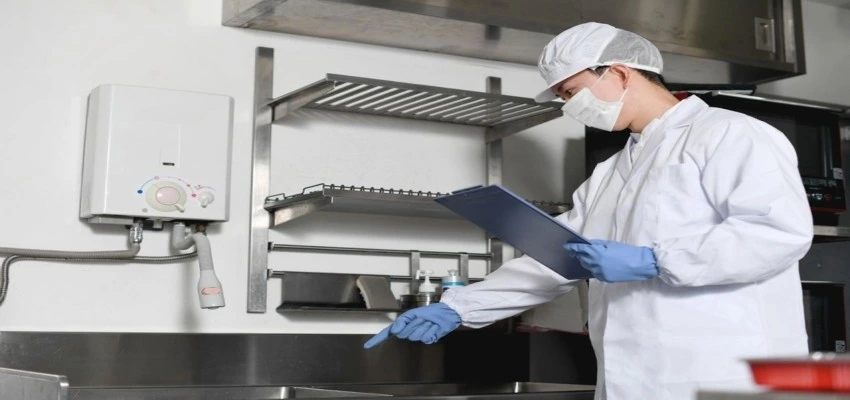
Many food businesses in Qatar approach HACCP audits with confidence, only to face unexpected non-conformities. In most cases, the issue is not a lack of effort. It is a gap between documented HACCP plans and actual day-to-day food handling practices. Auditors and inspectors focus on how food safety controls operate in real conditions, not how well procedures are written.
This article explains the most frequent HACCP audit failures seen in Qatar and outlines practical ways to avoid them before they affect approvals, renewals, or inspections.
Why HACCP Audits Fail in Qatar
HACCP failures usually begin well before the audit takes place. In most cases, audit failures are not caused by missing documents but by weak implementation of the HACCP food safety management system in Qatar, where controls exist on paper but are not applied consistently in daily operations.
Many food businesses design their systems to satisfy inspection requirements rather than to manage real food safety risks. Documentation is prepared quickly, staff receive limited explanation, and monitoring records are maintained only when an audit is expected.
Another common issue is generic implementation. Hazard analyses are often copied from templates without reflecting the actual menu, equipment, suppliers, or process flow. When auditors ask how risks are controlled at specific steps, the explanations given on-site do not align with what is written in the HACCP plan.
Incomplete or Incorrect Hazard Analysis
Hazard analysis is the foundation of HACCP, yet it is one of the weakest areas during audits.
Common problems include:
- Hazards listed without linking them to specific process steps
- Biological risks considered, while chemical and physical hazards are ignored
- Supplier-related risks missing from the analysis
Auditors check whether hazards reflect real operations. If the process flow diagram does not match what happens in the kitchen or factory, the hazard analysis loses credibility.
How to avoid this: Build hazard analysis directly from actual process flow. Walk through each step, from receiving to service or dispatch, and identify realistic risks based on products, equipment, and handling practices.
Incorrect Identification of Critical Control Points (CCPs)
Many businesses struggle with CCP selection. Some identify too many CCPs, while others fail to identify any meaningful ones.
Typical audit findings include:
- CCPs selected where control is not measurable
- Control points treated as CCPs without justification
- No clear link between hazards and selected CCPs
Auditors expect CCPs to be critical, measurable, and actively controlled.
How to avoid this: Apply decision logic consistently. Select CCPs only where loss of control creates an unacceptable food safety risk and where monitoring can detect deviation in time.
Ineffective CCP Monitoring
Even when CCPs are correctly identified, monitoring often fails in practice.
Auditors commonly find:
- Monitoring done irregularly
- Records completed after operations end
- Monitoring limits not understood by staff
When monitoring does not reflect real-time control, CCPs exist only on paper.
How to avoid this: Design monitoring methods that fit daily operations. Records should be simple, timely, and completed by responsible staff during the process, not retrospectively.
Weak Corrective Action Handling
Corrective actions are frequently misunderstood. Many records show actions taken, but the same issues appear again.
Audit concerns usually involve:
- Corrective actions focused only on closing records
- No investigation into why deviation occurred
- Repeated CCP deviations with similar responses
Auditors look for evidence that the system improves, not just that forms are filled.
How to avoid this: Address the system cause, not only the immediate problem. Review whether procedures, training, equipment, or workload contributed to the deviation.
Poor Verification and Validation Activities
Verification and validation are often confused with monitoring. As a result, businesses fail to show that their HACCP plan actually works.
Common issues include:
- No validation evidence for critical limits
- Verification limited to checking records
- Internal audits not linked to HACCP effectiveness
Auditors expect proof that controls are suitable and effective.
How to avoid this: Use verification activities such as trend analysis, calibration checks, and internal audits to confirm performance. Validation should reference product, process, or regulatory evidence.
Inadequate Staff Awareness and Training
Staff awareness is one of the first things auditors assess on site. When food handlers cannot explain CCPs or monitoring actions, it raises immediate concerns.
Typical findings include:
- Staff unaware of critical limits
- HACCP roles unclear within the team
- New staff working without HACCP orientation
Documentation cannot compensate for lack of understanding on the floor.
How to avoid this: Train staff on their role, not the entire HACCP system. Focus on what they monitor, what limits apply, and what action to take when something goes wrong.
Documentation Not Matching Actual Practice
A frequent audit failure occurs when procedures describe one process, but operations follow another.
Examples include:
- Temperature limits in procedures that differ from monitoring records
- Cleaning schedules not aligned with actual routines
- Flow diagrams outdated after process changes
Auditors compare documents with reality. Inconsistencies trigger non-conformities quickly.
How to avoid this: Update documentation whenever processes change. Keep procedures aligned with actual practice rather than forcing operations to follow outdated documents.
What Auditors and Inspectors Look for in Qatar
HACCP audits in Qatar focus on three things:
- Process understanding – whether hazards and controls reflect real operations
- Consistency of evidence – alignment between procedures, records, and practice
- Staff awareness – whether food handlers understand their controls
Red flags include backdated records, unclear responsibility, and inconsistent explanations from staff.
Role of Internal Audits in Preventing HACCP Failures
Internal audits are one of the most effective ways to identify HACCP weaknesses before certification or inspection. When used properly, they highlight gaps in implementation rather than just missing documents.
Internal audits should:
- Review actual practices
- Test staff awareness
- Evaluate corrective action effectiveness
They work best when treated as improvement tools, not formality checks.
When External Review Becomes Necessary
Some signs suggest internal controls may not be enough:
- Repeat non-conformities across audits
- High staff turnover affecting food safety consistency
- Changes in menu, process, or equipment without HACCP updates
An independent review before certification or renewal often helps identify blind spots.
Closing Perspective
Most HACCP audit failures in Qatar are preventable. They stem from treating HACCP as documentation rather than as a working food safety system. When hazard analysis reflects reality, CCPs are controlled consistently, and staff understand their role, audits become predictable and manageable. The focus then shifts from passing inspections to maintaining control every day.